 Reviews

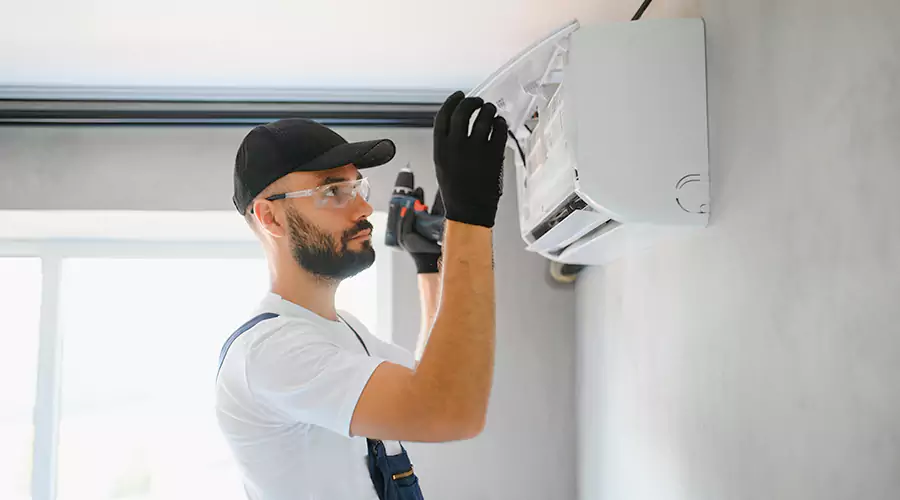
HVAC service improves indoor air by cleaning and controlling how air moves through your home. Proper indoor air quality HVAC care includes filter replacement and airflow checks and moisture control. Dirty filters and coils can spread dust and reduce system performance. Professional service helps remove buildup and improve filtration. Upgrades like better filters or air purifiers can capture smaller particles. Balanced airflow also helps reduce stale air and uneven conditions. When systems stay clean and properly adjusted homeowners can improve indoor air quality and reduce common issues like dust and humidity. Regular maintenance keeps air cleaner and supports healthier daily living.
Why Indoor Air Quality Matters?
Indoor air can trap dust and allergens and moisture over time. These factors affect comfort and breathing conditions. Poor air quality often becomes noticeable in closed homes.
How Indoor Air Affects Daily Comfort?
Home air quality impacts how fresh and breathable your living space feels. Poor air can lead to discomfort and irritation. Improving air quality helps create a more comfortable environment.
How HVAC Service Helps Air Quality?
HVAC service targets system components that influence air movement. It helps identify issues affecting filtration and airflow. Professional checks provide accurate solutions.
What Technicians Evaluate During Service?
A proper HVAC air quality service includes checking filters and ducts and airflow performance. These factors influence air cleanliness. Inspection helps determine the best improvement steps.
Common Indoor Air Quality Solutions
Here is a simple guide to common HVAC solutions.
| Air Quality Concern | Possible HVAC Solution |
|---|---|
| Dust buildup | Better filters and duct inspection |
| Allergens | Filter upgrade and air purification |
| Stale air | Ventilation improvements |
| High humidity | Humidity control service |
| Odors | Duct cleaning and system cleaning |
| Mold risk | Moisture control and drain checks |
The best option depends on the source of the problem.
Upgrade Your Air Filtration System
Filtration removes airborne particles from circulating air. Better filters can improve air cleanliness. Choosing the right filter is important.
How Filter Ratings Affect Air Quality?
An air filtration system works based on its ability to capture particles. Higher efficiency filters remove smaller particles. Correct selection prevents airflow restriction.
Consider a Whole Home Air Purifier
Whole home systems treat air throughout the house. They work with the HVAC system. This provides consistent air treatment.
When Air Purifiers Provide the Most Benefit?
A whole home air purifier is useful for homes with persistent dust or odor issues. It improves air quality across all rooms. Proper sizing ensures effective performance.
UV Light HVAC Options
UV systems target microbial buildup inside HVAC units. They work in areas where moisture collects. This supports cleaner internal components.
How UV Technology Supports Cleaner Systems?
A UV light HVAC setup reduces microbial growth near coils. This helps maintain cleaner airflow. Proper placement is essential for effectiveness.
Air Duct Cleaning
Duct condition affects air movement and cleanliness. Dirty ducts can circulate dust. Cleaning may improve airflow.
When Duct Cleaning Is Necessary?
Air duct cleaning is helpful when visible buildup or debris is present. Inspection confirms whether service is needed. Cleaning alone may not fix structural issues.
HEPA Filter HVAC Solutions
High efficiency filters capture very fine particles that standard filters miss. Proper system compatibility is required to maintain airflow and performance.
How Advanced Filtration Impacts Airflow?
A hepa filter HVAC setup requires compatibility with system airflow. Incorrect use may reduce performance. Professional guidance ensures proper installation.
Humidity Control
Balanced humidity improves comfort and air quality. Both high and low humidity create problems. Control systems help maintain balance.
How Moisture Levels Affect Indoor Air?
Good humidity control prevents excess moisture and dryness. Balanced air feels more comfortable. Proper levels reduce mold risk.
Ventilation Service
Ventilation brings fresh outdoor air into the home and removes stale indoor air. This improves airflow balance and helps reduce indoor pollutants.
How Air Exchange Improves Indoor Conditions?
A ventilation service helps bring fresh air into the home. It reduces buildup of indoor pollutants. Balanced ventilation supports cleaner air.
Cleaner Air Through Better Filters
Consistent filter use improves air quality. Filters trap particles before circulation. Regular replacement is essential.
How Filter Maintenance Supports Clean Air?
Clean indoor air depends on timely filter changes. An HVAC filter upgrade can improve particle capture. Proper maintenance ensures effectiveness.
Dust Control Through HVAC Service
Dust can build up in ducts and circulate through the system during normal operation. Reducing dust improves indoor comfort and keeps surfaces cleaner.
How HVAC Adjustments Reduce Dust Circulation?
Dust control HVAC steps include sealing duct leaks and upgrading filters. These changes help limit dust movement and improve airflow quality.
Allergen Reduction at Home
Allergen reduction can improve comfort for households with pollen, pet dander, dust mites, or seasonal allergy concerns. Better filters, cleaner ducts, and regular HVAC service can help reduce airborne irritants.
Helpful steps include:
- Replace filters before they clog.
- Keep return grilles clean.
- Schedule coil and blower inspection.
- Ask about filtration upgrades.
- Control indoor humidity.
- Keep ducts sealed and clean.
These steps work best when used together.
Mold Prevention Through HVAC Care
Moisture control is key to preventing mold. HVAC systems can help manage humidity. Regular inspection reduces risk.
How System Maintenance Reduces Mold Risk?
Mold prevention HVAC service focuses on keeping coils and drain lines clean. Proper airflow also helps reduce moisture. Routine care limits growth conditions.
Indoor Air Pollution Sources
Indoor air pollution can come from dust and pets and cleaning products and outdoor air. HVAC systems help reduce some pollutants while regular cleaning habits improve overall air quality.
How to Reduce Common Indoor Pollutants?
Indoor air pollution can be reduced through filtration and ventilation. Removing sources also improves air quality. Combined efforts provide better results.
Air Purifier Installation
Proper installation ensures the system works as intended and delivers full coverage. Incorrect setup can limit performance and reduce air quality benefits.
Why Correct Installation Improves Results?
Air purifier installation must match system size and airflow for effective operation. Correct placement helps improve efficiency and consistent air treatment.
Maintenance for Better Air Quality
Regular service keeps HVAC components clean and operating efficiently. Consistent maintenance helps prevent buildup and supports healthier indoor air.
What Maintenance Steps Improve Air Quality?
HVAC maintenance for air quality includes filter checks and coil inspection and airflow testing. A residential HVAC service visit helps maintain system condition. Routine service supports long term air quality improvement.
Final Thoughts
Better indoor air starts with a cleaner and better maintained HVAC system. Filtration, purification, duct care, humidity control, and ventilation can all help improve comfort.
If your home feels dusty, stale, humid, or musty, schedule a professional inspection. The right HVAC service can help reduce airborne irritants and support cleaner air throughout your home.